Quick reference
Microgreens Crop Timing Chart
Use these sow-to-harvest ranges as planning references, not promises. Variety, temperature, light, seed lot and harvest preference can shift the actual timing.
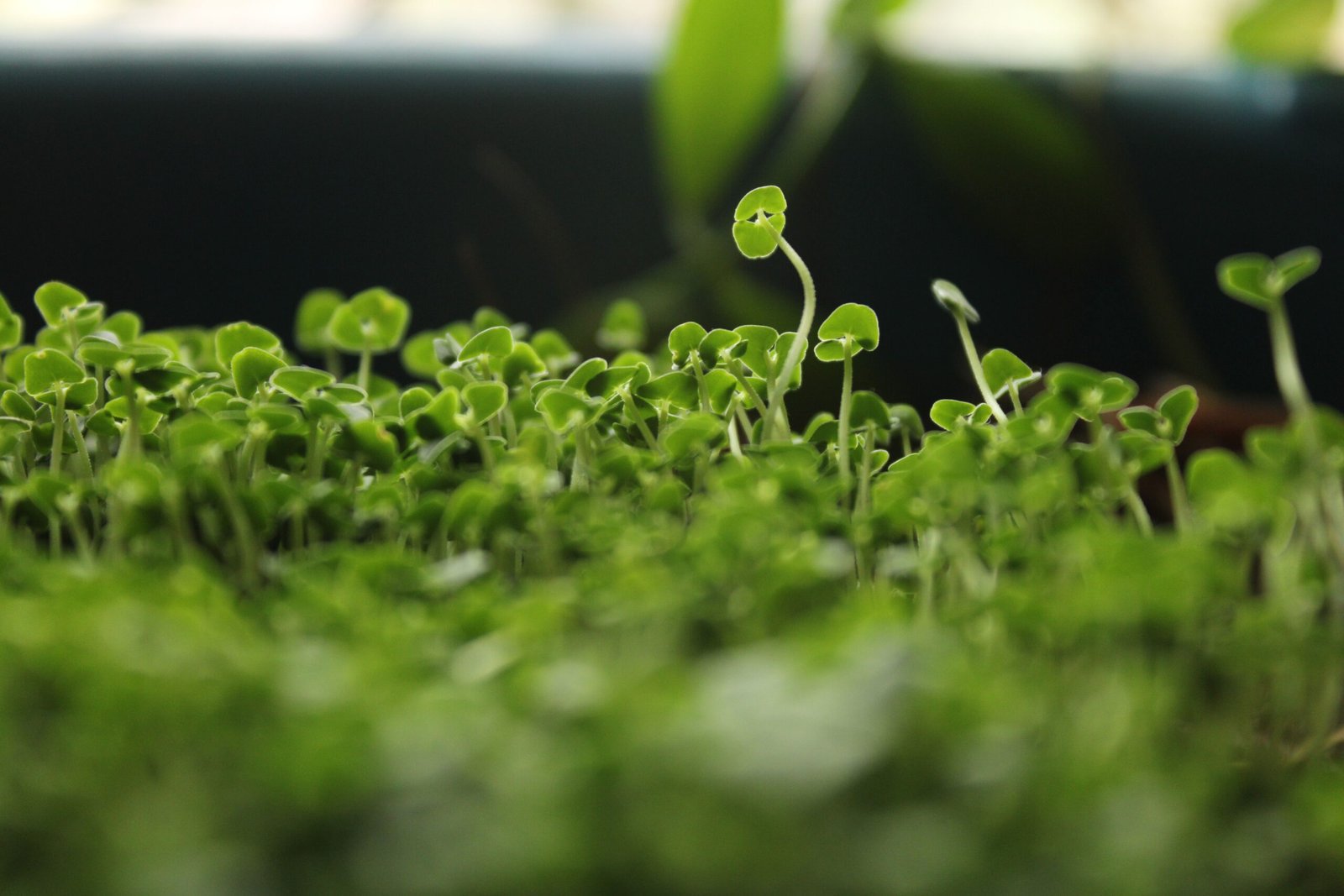
| Crop | Estimated sow-to-harvest | Useful note |
|---|---|---|
| Radish | 6–12 days | Fast, vigorous, and useful for learning tray fundamentals. |
| Broccoli | 8–13 days | Fast brassica; straightforward beginner workflow. |
| Pea shoots | 8–10 days | Large seed; presoak commonly used. |
| Sunflower | 9–12 days | Large seed; presoak and hull management matter. |
| Mustard | 10–15 days | Fast brassica with a sharper flavor. |
| Red cabbage | 10–15 days | Colorful brassica with a familiar small-seed workflow. |
| Amaranth | 10–17 days | More delicate; some references show longer timing for red amaranth. |
| Arugula | 6–14 days | Fast and peppery, but timing varies by variety and conditions. |
| Kale | 8–14 days | Another fast brassica with a mild-to-nutty profile. |
| Basil | 12–16 days | Slower and more sensitive than basic brassica crops. |
| Cilantro | 21–28 days | Much slower crop; expect a longer germination and harvest window. |
Use the crop, not just the calendar. Harvest when cotyledons are open and the crop has reached the stage, texture and flavor you want. Extension references themselves report different ranges for the same crop, so the chart is best used for planning succession and comparing crops.
Timing sources: Utah State University Extension, Virginia Cooperative Extension / Virginia Tech, Clemson Extension, and Mississippi State University Extension. Their published ranges overlap but are not identical, which is why Eastern uses broader planning windows here.