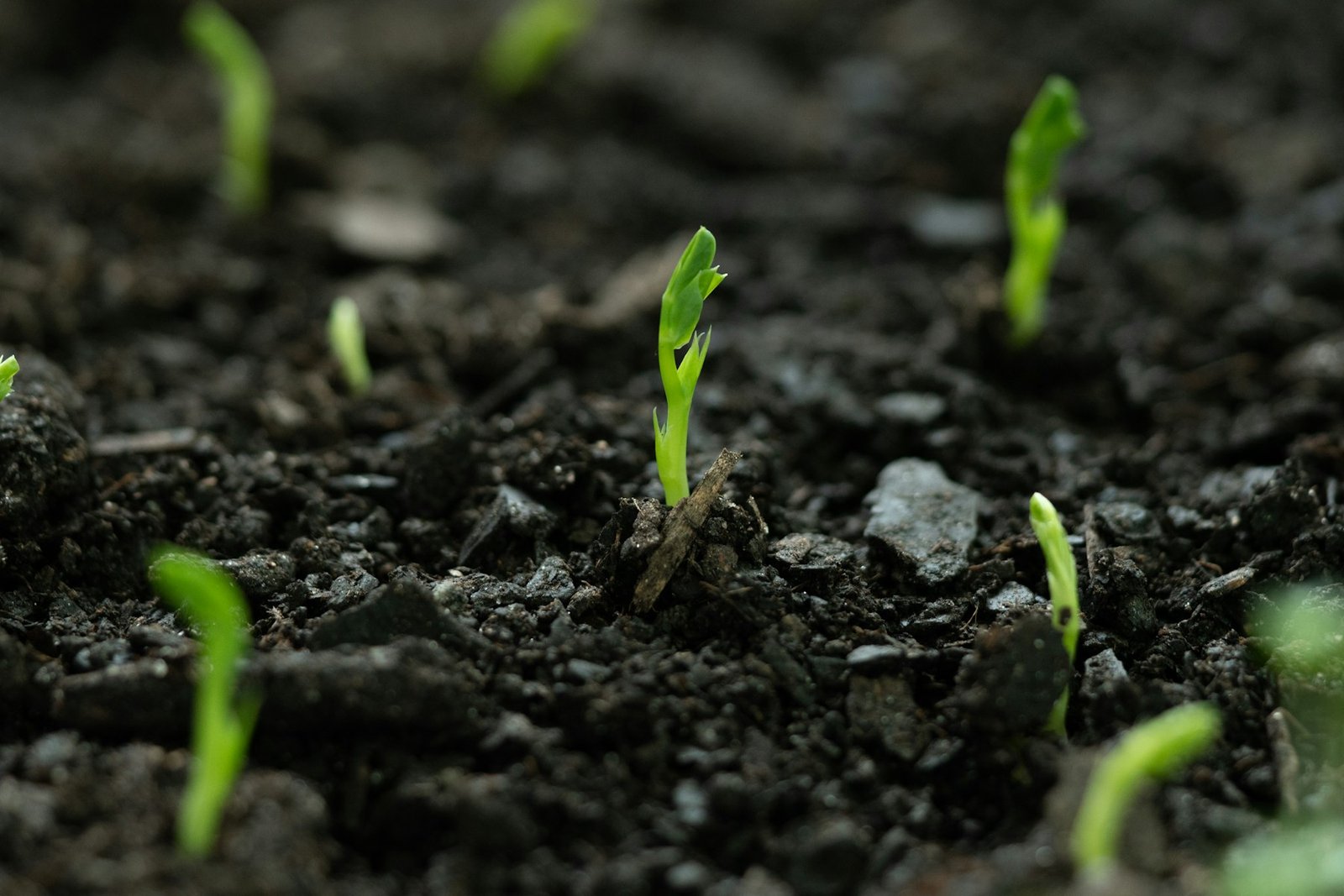
Patchy germination wastes seed and creates an uneven canopy. The cause is often a basic variable that can be isolated with a simple checklist rather than a complicated treatment.
1. Seed quality
Old, damaged or poorly stored seed can lose vigor. Check the lot, storage conditions and intended use, then run a small germination test if performance is questionable.
2. Uneven moisture
Dry patches can stop germination while saturated pockets can reduce oxygen and encourage rot. Pre-moisten the medium evenly and level the tray before sowing.
3. Poor seed-to-media contact
Seed sitting loosely on an irregular surface may hydrate unevenly. Gently pressing or using an appropriate cover can improve contact without burying tiny seed too deeply.
4. Temperature
Germination speed changes with temperature. A room that is much colder than the crop prefers can produce slow, uneven emergence even when the seed is viable.
5. Sowing depth
Most microgreens are surface-sown or only lightly covered. Tiny seeds buried too deeply may struggle to emerge.
6. Crop-specific soaking needs
Large seeds such as peas and sunflower often benefit from pre-soaking, while many small seeds do not.
7. Old or contaminated growing media
Media that drains poorly, has been stored wet or carries heavy biological growth can make germination less predictable.
8. Expecting every crop to behave the same
Amaranth, basil, cilantro and large-seeded crops do not germinate on the same timeline. Compare the tray with crop-specific guidance before declaring it a failure.
Next: use the Seed Buying Guide and Grow Log to isolate variables across batches.
Sources: Penn State Extension; University of Maryland Extension; Virginia Cooperative Extension.
Leave a Reply