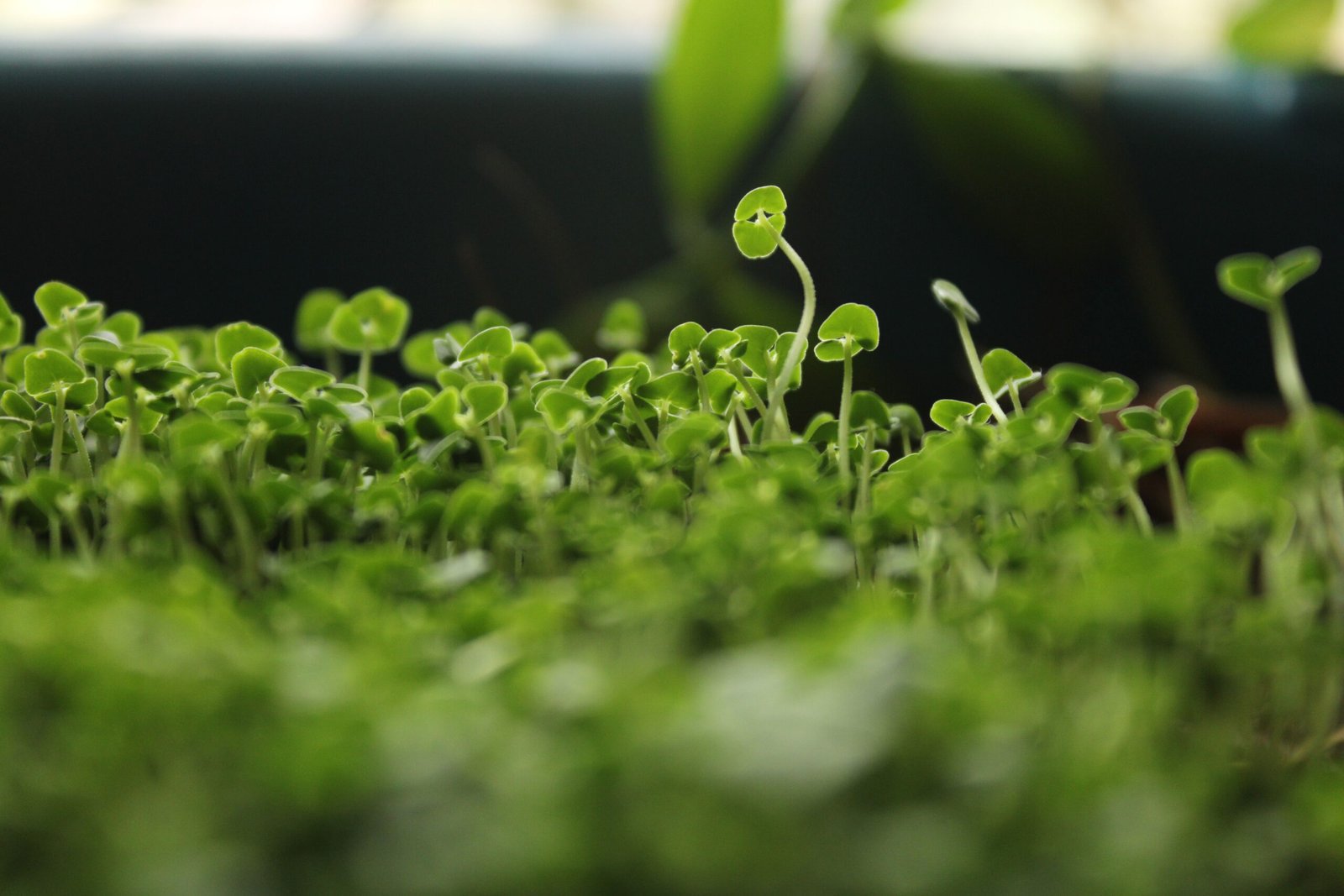
Dense microgreen canopies hold moisture. Airflow helps prevent the growing area from staying stagnant, but more fan power is not automatically better.
The goal is circulation, not wind
University of Maryland Extension recommends good air circulation and describes a gentle breeze from a nearby fan as useful for discouraging plant disease.
What to look for in a fan
| Factor | Why it matters |
|---|---|
| Adjustability | You want enough movement to exchange air without flattening seedlings. |
| Mounting | Clip-on or compact fans can fit shelves without consuming tray space. |
| Noise | Home growers may run fans for long periods in living spaces. |
| Power | Several rack fans add another continuous load to the system. |
| Direction | Air should circulate around the canopy rather than dry one tray edge all day. |
When room humidity matters
As tray count increases, the growing area can release more moisture. A fan moves air but does not remove water from it. If room humidity remains high, environmental control may become a separate problem from airflow.
Quick airflow troubleshooting
If one tray edge dries much faster than the rest, redirect the fan away from direct contact with the canopy. If leaves stay damp and room humidity remains elevated, inspect ventilation and moisture removal rather than simply increasing fan speed. Compare the temperature and humidity guide and mold prevention guide before buying more equipment.
Source: University of Maryland Extension; grower community setup discussions.
Leave a Reply