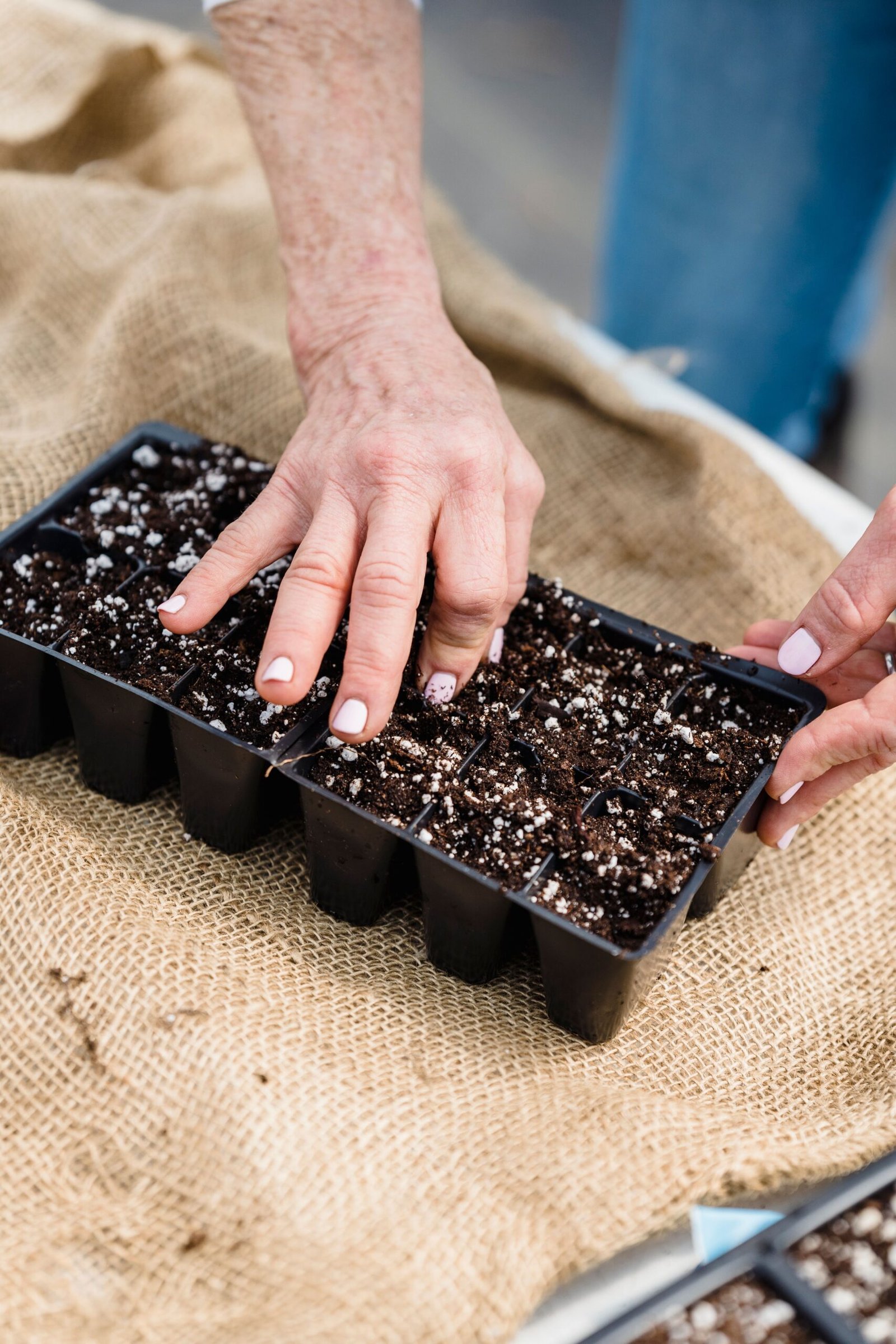
Growing medium changes how a tray holds water, how often you need to irrigate, how clean the harvest is and how much recurring material you buy. There is no single medium that wins every use case.
Soilless potting mix
Peat-based or other light soilless mixes are common because they buffer moisture well and are easy for beginners to understand. Penn State Extension uses peat/perlite mix in its home-growing example and emphasizes choosing media that are clean, safe, sustainable and reasonably priced.
Coconut coir
Coco is popular because it is lightweight and relatively clean to handle. Water behavior depends on the specific product and how it is prepared, so learn the moisture pattern of the material rather than treating all coir as identical.
Growing mats
University of Maryland lists single-use mats made from hemp, wood fiber, coconut coir, bamboo or jute, and Penn State notes that mats can produce a cleaner harvested crop than potting soil. Mats trade less mess for a recurring consumable cost.
| Medium | Strength | Tradeoff |
|---|---|---|
| Soilless mix | Forgiving moisture buffer and familiar workflow. | Messier harvest area and more cleanup. |
| Coco coir | Lightweight and tidy. | Water behavior varies by product and preparation. |
| Fiber mat | Cleaner crop and simple handling. | Recurring cost and crop compatibility matter. |
Sources: Penn State Extension; University of Maryland Extension.
Leave a Reply