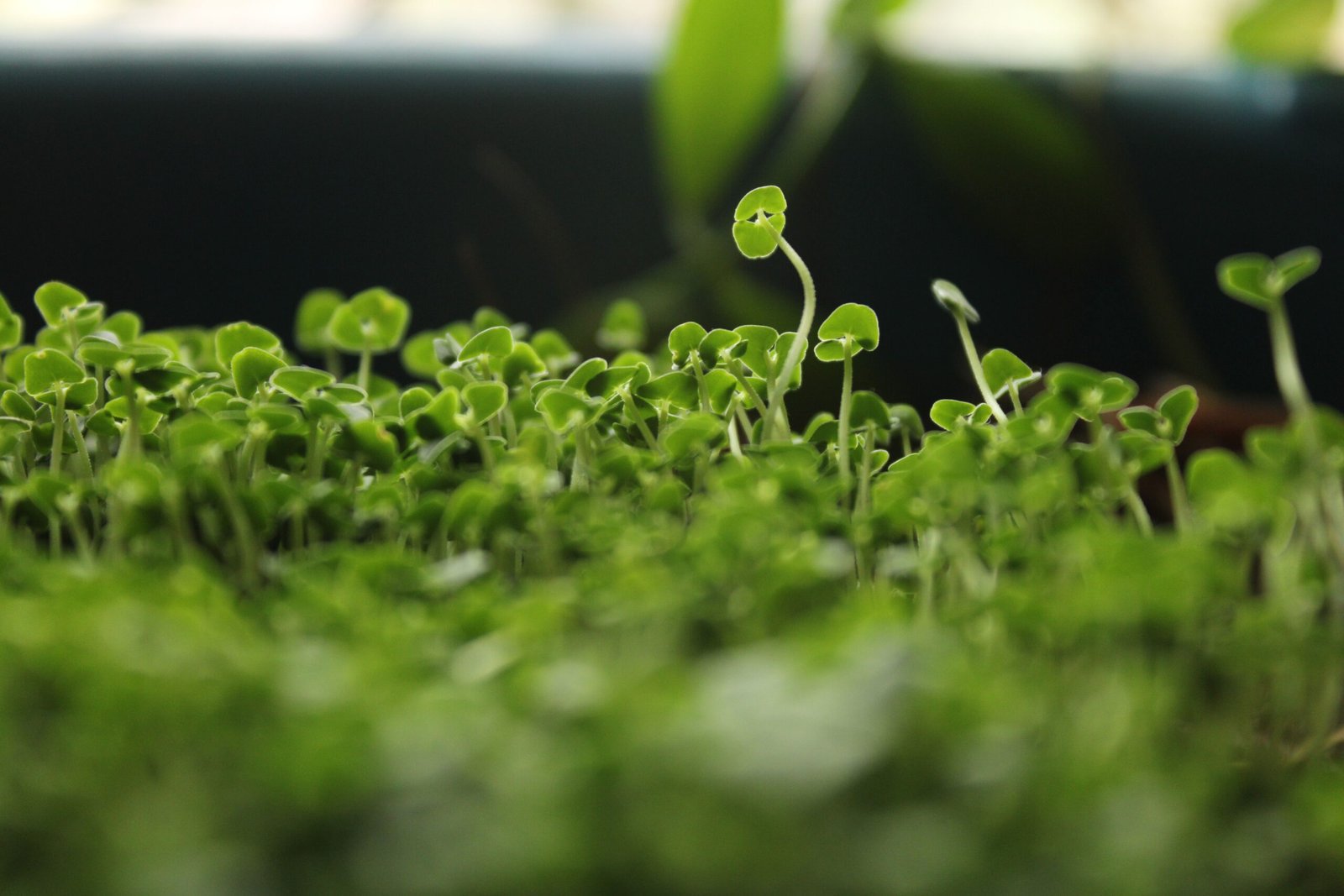
For many short-cycle microgreens, fertilizer is not a starting requirement. Seeds contain stored reserves that support early growth, and the crop is harvested before it becomes a mature plant.
For basic home growing, fertilizer may be unnecessary
University of Maryland Extension states that fertilizer is not needed for the basic indoor microgreens method it describes. Penn State likewise says little or no fertilizer is needed because the seedlings are not grown very long before harvest.
The growing medium changes the answer
A nutrient-containing soilless mix, inert mat and hydroponic system are not the same environment. If you are using a very low-nutrient substrate or growing a slower crop, nutrient needs can differ from a short brassica crop in potting mix.
More fertilizer is not automatically better
Microgreens are harvested young. Adding nutrients that the crop does not need increases complexity and can make diagnosis harder if something goes wrong.
When to investigate nutrition
- You are using an inert or hydroponic medium.
- A crop has a longer production cycle.
- Symptoms persist even after light, moisture and root-health issues are addressed.
- Your production method specifically calls for a dilute nutrient solution.
Penn State reports growing microgreens successfully with clear water in class systems, while also noting that some crops occasionally showed nutrient deficiency symptoms. Their hydroponic guidance uses a dilute nutrient solution when fertilizer is applied.
Next: compare soil, coco and growing mats before deciding whether nutrition is even part of your setup.
Sources: University of Maryland Extension; Penn State Extension, “Growing Microgreens.”
Leave a Reply