Learn the crop, not just the calendar.
Every microgreen reacts a little differently to moisture, seed size, blackout, light and airflow. Use these guides as crop-specific starting points, then adjust for your room, seed lot and equipment.

Seven useful crops to learn with.
Start with fast brassicas, then add large-seeded crops so you can see how different workflows behave.

Broccoli
Fast brassica workflow and an excellent baseline crop.
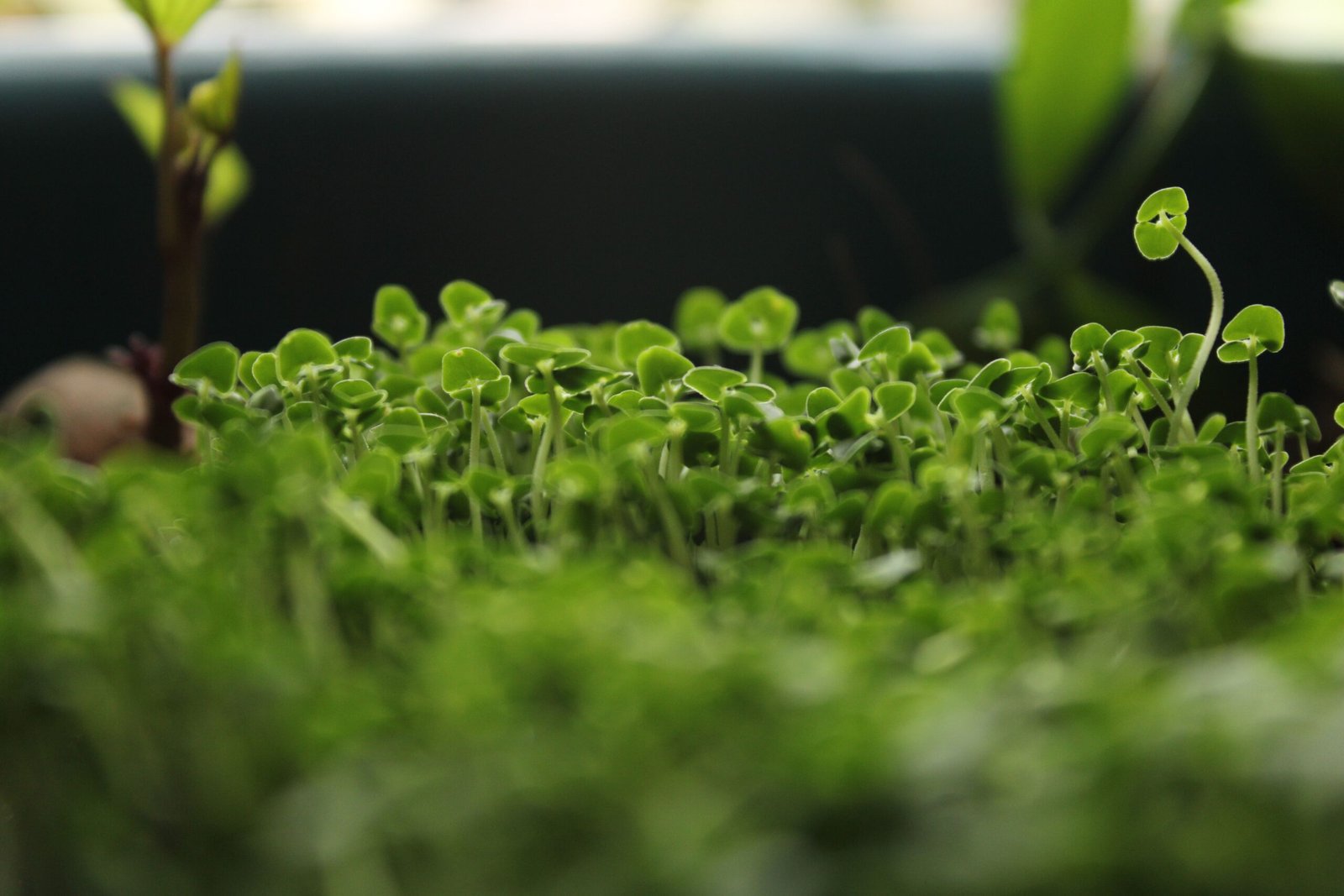
Radish
Vigorous growth, quick feedback and a peppery profile.
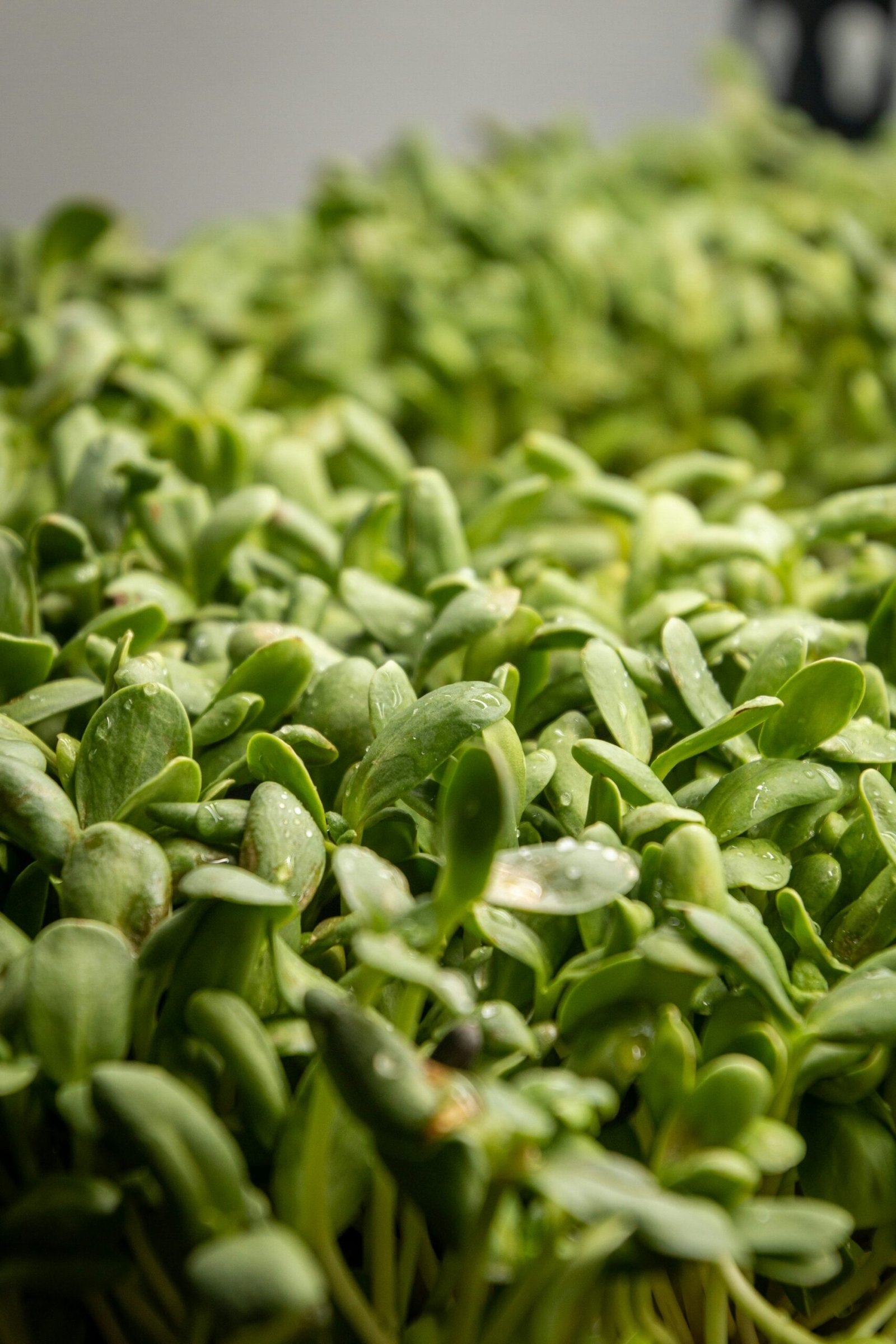
Sunflower
Hearty texture with a soaking and germination workflow worth learning.
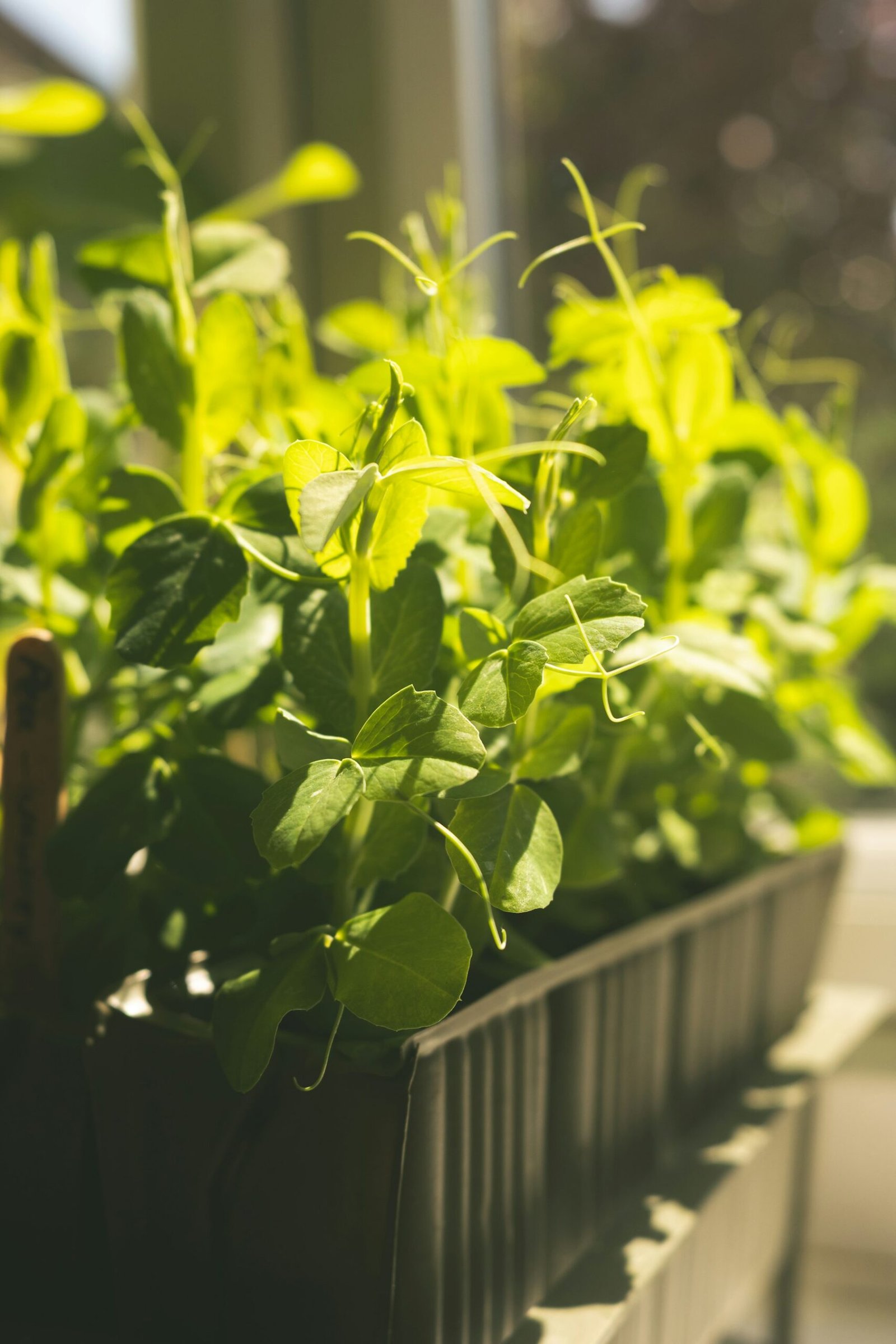
Pea Shoots
Large seed, strong roots and a substantial canopy.
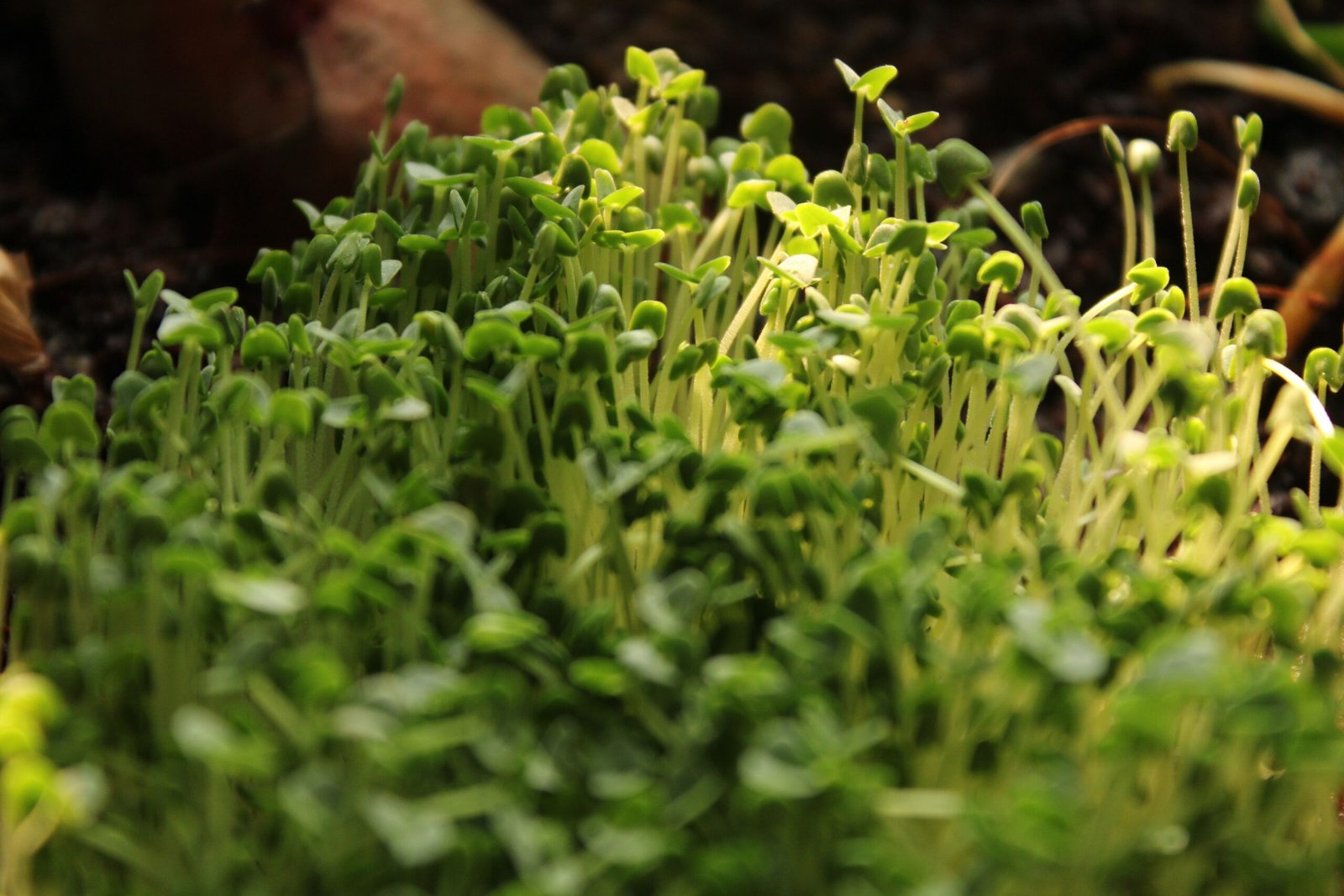
Red Cabbage
A colorful brassica that follows a familiar small-seed process.
Mustard
Fast-growing brassica with a noticeably sharper flavor.

Amaranth
Tiny seed, fine stems and a more delicate growing rhythm.
Explore all 17 published crop guides
Choose a crop based on seed size, flavor, germination behavior and the conditions you can control. Some photographs above illustrate microgreen growth generally, rather than verifying a particular variety.
More fast greens and brassicas
- Arugula microgreens — peppery leaves and a light, even sowing approach
- Kale microgreens — a familiar small-seeded brassica
- Kohlrabi microgreens — quick brassica growth and crisp stems
- Turnip microgreens — another fast, mild brassica crop
Herbs and distinctive flavors
- Basil microgreens — mucilaginous seeds that need careful surface moisture
- Cilantro microgreens — slower germination and a longer grow
- Fenugreek microgreens — a savory legume with a different seed profile
Colorful and specialty crops
- Beet microgreens — a slower beet-family crop with colorful stems
- Buckwheat microgreens — careful seed selection and crop-specific handling
- Wheatgrass indoors — young grass grown and harvested differently from most leafy microgreens
Plan a mixed growing week: see the crop timing chart, harvest planner and seed density guide. Timing estimates are starting points, not guaranteed harvest dates.